Common questions
Can an electrician install lightning protection?
An electrician can install surge protective devices inside the building under BS 7671, but the external lightning protection system should be installed by a lightning protection specialist. BS EN IEC 62305 has its own competence requirements, its own testing regime and its own trade body in ATLAS, and the work is done at height on the outside of the structure.
When should lightning protection be installed?
On a new build, alongside the groundworks and the frame if the frame is being used as the down conductor system, and before the roof finishes go on. On an existing building, as soon as a risk assessment or an insurer identifies the need. Installation on an occupied building is normal and does not usually require it to be closed.
What is the installation standard for lightning protection?
BS EN IEC 62305-3 covers the physical installation: the air termination system, down conductors, earth termination system, materials, minimum sizes and separation distances. Part 4 covers protection of electrical and electronic systems inside the structure. Components themselves are covered by the BS EN IEC 62561 series.
How long does an installation take?
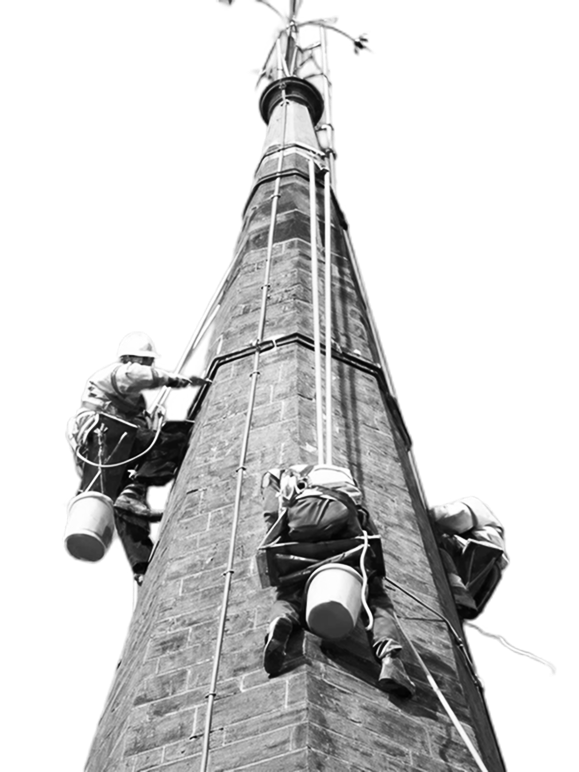
A straightforward commercial roof is usually days rather than weeks. Height, access and the number of down conductors drive the programme more than floor area. Spires, towers and buildings needing rope access or scaffold take longer, and we will tell you which category you are in before you commit.
What do I get at handover?
A test certificate for the completed system, the initial verification results, a log book to record future inspections, as installed drawings, and the earth resistance readings taken at each test point. Insurers and building control both ask for these, so they are issued as standard rather than on request.