
Hero

Lightning protection
to BS EN 62305

Designed, installed and tested by our own engineers.

Get a quote

What we do

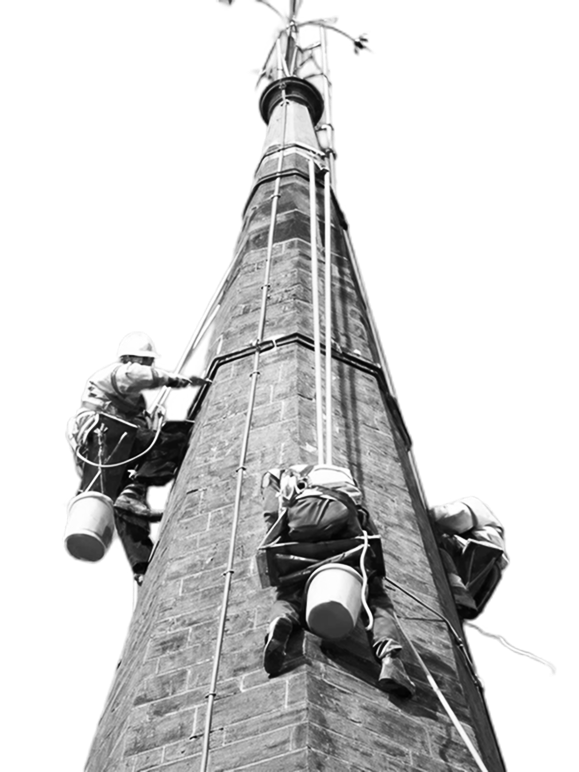
Braileys designs, installs, tests and certifies lightning protection systems to BS EN IEC 62305. We started as steeplejacks and moved into lightning protection as the standard tightened, so the difficult access work that puts other contractors off is the work we were built for.

Most enquiries reach us one of two ways. Either a building is being designed and the architect needs a system that meets the standard without spoiling the elevation, or an existing system has failed a test, missed a certificate, or been flagged by an insurer. We handle both.

We have worked for English Heritage, Transport for London, Network Rail, London Underground, the BBC, EDF, Breyer Group, Tate & Lyle and a number of London councils. Those are organisations that audit their contractors, and they keep coming back.

Our services


Why Braileys

  • A management team with more than fifty years in lightning protection between them.
  • Directly employed fitters, not subcontracted labour, so the people on your roof are our people.
  • An accredited BS EN 62305 assessor in house, so risk assessment and design are not farmed out.
  • Steeplejack roots, which means spires, towers and chimneys are routine rather than exceptional.
  • ATLAS membership plus Constructionline, CHAS, Exor, CSCS, Builders Profile and CHSG.

Is lightning protection a legal requirement?

There is no single law that says every building must have a lightning protection system. What the law does say is that if you have one, it must be maintained. Regulation 4(2) of the Electricity at Work Regulations 1989 requires electrical systems to be kept in a condition that prevents danger, and a lightning protection system is an electrical system.

In practice the requirement usually arrives through a risk assessment, a designer working to BS EN 62305, a planning or heritage condition, or an insurer asking for a current test certificate. We can tell you which of those applies to your building.

Read the regulations

Testing intervals

BS EN 62305-3 sets maximum inspection intervals by protection class. Class I and II systems need a visual inspection every year and a full inspection every two years. Class III and IV systems need a visual inspection every two years and a full inspection every four. Systems protecting structures with a risk of explosion are inspected more often than that.

UK practice, and what most insurers actually want, is a full test every eleven months. Eleven rather than twelve keeps you inside a twelve month window and moves the test through the seasons over time, so ground conditions are not always measured in the same weather.

How often should you test?
Transport for London
  • What we did for

    Transport for London

    Transport for London is one of the infrastructure operators on our client list. Work on the transport network is less about the lightning protection itself than about everything around it: access, permits, isolation and a programme that cannot overrun.

Need a quote?

Send us the address, a roof plan if you have one, and what you already know about the building. We will tell you what is needed and what it costs. Call 01892 667258 or use the form.

Talk to Braileys
01892 667258